Call Today:
UK+44 28 9099 5931|
IE+353 71 985 6215
Call Today:
UK+44 28 9099 5931|
IE+353 71 985 6215
 Award winning ezServiceHUB platform
 Award winning ezServiceHUB platform
 Easy to Install
 Easy to Train
 Easy to use
Call Today:
UK+44 28 9099 5931|
IE+353 71 985 6215


Call Today:
UK+44 28 9099 5931|
IE+353 71 985 6215
Award winning ezServiceHUB platform
Award winning ezServiceHUB platform
Easy to Install Easy to Train Easy to use
Call Today:
UK+44 28 9099 5931|
IE+353 71 985 6215
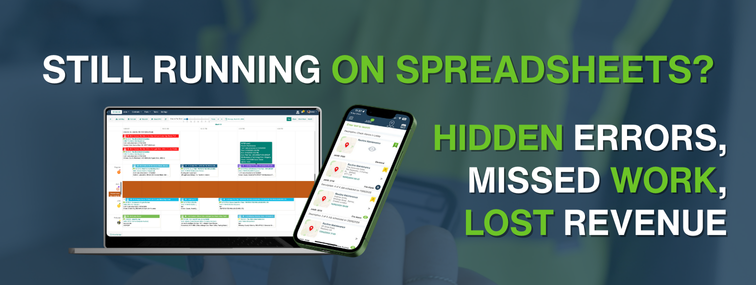
Many small businesses start out managing their operations with spreadsheets – they’re familiar, flexible, and “free” tools that can be set up for anything from scheduling to budgeting. In the fire and security service industry, you might use Excel or Google Sheets to list jobs, track maintenance visits, record client information, or log invoices. While this may work initially, as your business grows, relying on spreadsheets can actually hurt your efficiency and profitability – and you won’t know what is going wrong within your company!
There are hidden costs to using spreadsheets for tasks that dedicated software could handle more effectively. Here’s why clinging to spreadsheets could be costing your business money:
Spreadsheets are prone to human error. A simple typo in a formula or an incorrectly copied cell can throw off your entire tracking system. In a field service context, an error could mean scheduling mistakes (like double-booking a technician or missing a maintenance date) or billing errors that directly cost you revenue.
Unlike purpose-built fire and security management software, spreadsheets don’t have validations or safeguards by default – they rely on users being 100% consistent, which is rarely the case.
Over time, these errors can accumulate into significant losses, such as:
The cost of a missed annual fire alarm inspection due to a spreadsheet slip could be not only lost revenue but also an unhappy customer or even a safety risk.
While spreadsheets seem cost-effective, they often consume a considerable amount of administrative time. Employees might spend hours each week manually updating cells, reconciling multiple versions, or hunting down the latest file.
Field technicians and office staff alike get bogged down in this manual data management. For example, if a technician has to call the office to get customer history stored in someone’s spreadsheet, that’s wasted time.
Over weeks and months, these inefficiencies translate into:
By moving to an automated alarm or fire and security software, many businesses reclaim those lost hours and reallocate staff to value-adding tasks such as customer care, quoting, or additional service calls.
Spreadsheets are typically static snapshots of data. A scheduling spreadsheet, for example, is usually maintained by one person and then shared – but not in real time.
This means your field team and office could efficiently be working from outdated information. Problems can include:
These issues directly affect response times, service quality, and customer satisfaction.
Modern field service operations software provides real-time updates, live status tracking, and instant access for everyone. Without this visibility, your business risks falling behind competitors who can respond more quickly and more accurately.
As your business grows, spreadsheets tend to multiply and become more complicated to manage. What starts as a straightforward sheet soon becomes dozens:
Important information gets buried, and managing maintenance contracts or asset lists becomes increasingly error-prone.
A spreadsheet also will not automatically alert you that:
Dedicated maintenance and repair software solves this instantly with built-in reminders, automated work order creation, and organised data structures that scale with your company.
Spreadsheets don’t help you grow – they simply store information.
This means your business may be missing out on:
In addition, spreadsheet-driven admin leads to slow invoicing. If it takes days or weeks to consolidate job sheets, materials, and hours worked, your cash flow suffers. Slow billing also increases the chance of disputes and unbilled work.
Modern software dramatically reduces invoicing delays, helping you get paid faster and more reliably.
With spreadsheets, usually only one person can realistically manage or edit the file at a time. This creates bottlenecks such as:
Version control issues become a daily frustration. If the main admin is off sick, operations often stall because others are afraid of breaking the file.
A proper fire and security company management software platform provides:
This eliminates confusion, improves accountability and supports smoother teamwork.
Spreadsheets lack robust security and backup features. Common risks include:
A cloud-based FSM system offers:
The reputational and financial cost of losing customer data due to a spreadsheet mishap can be enormous.
There’s a clear tipping point where a business simply outgrows spreadsheets. This usually happens when:
At this stage, the hidden costs of inefficiency outweigh any perceived savings from using Excel.
Transitioning to a dedicated field service management system (FSM) or specialised software – such as ezPro or ezLite – is the best way to eliminate spreadsheet-driven problems.
With the EZ Management ezServiceHUB software platform, you can:
…all from one centralised platform.
This removes manual steps, reduces errors, saves time, and ensures nothing is overlooked.
Spreadsheets are helpful tools, but they shouldn’t be the backbone of your field service operations. They silently drain time, revenue, and efficiency.
If you find yourself spending hours managing spreadsheets, or if mistakes and delays are becoming more common, it’s a clear sign to modernise.
Adopting an integrated system like EZ Management not only stops inefficiency but also positions your fire and security service business to:
You’ll work smarter, not harder and you’ll finally have complete control over your operations instead of wrestling with Excel.
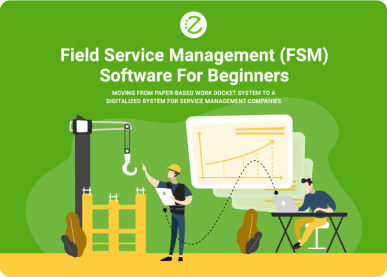
Going from Paperwork to Digitalisation
Get news on our latest products and ongoing updates.
EZ Management Software
Clients & Partners who trust EZ Management

















Subscribe To Our Newsletter
Get news on our latest products and ongoing updates.