Call Today: UK+44 28 9099 5931| IE+353 71 985 6215
 Award winning ezServiceHUB platform
 Award winning ezServiceHUB platform
 Easy to Install
 Easy to Train
 Easy to use
 Call Today: UK+44 28 9099 5931|IE+353 71 985 6215


Call Today: UK+44 28 9099 5931| IE+353 71 985 6215
Award winning ezServiceHUB platform
Award winning ezServiceHUB platform
Easy to Install Easy to Train Easy to use Call Today: UK+44 28 9099 5931|IE+353 71 985 6215

Field maintenance businesses, especially in fire and security, handle numerous assets at client sites, from alarm panels to sensors and safety equipment. Asset tracking (maintaining an asset register) is crucial for these companies to operate efficiently and safely.
Here are key reasons asset management software is a smart investment for field service firms:
Complete Asset Visibility: An asset register gives a full list of all equipment an organisation maintains, along with where each asset is located and who is responsible for it. This comprehensive view helps managers plan maintenance and quickly verify asset counts during audits or inspections. No more guesswork, you know exactly how many fire detectors or cameras are out there and their status.
Preventive Maintenance & Reliability: Tracking asset condition and service history ensures nothing falls through the cracks. Effective asset tracking lets you record each maintenance performed, frequency of service, and costs and ensuring compliance. Using a fire alarm maintenance software or planned preventive maintenance software tied to your asset database, you can schedule services at proper intervals and get reminders before equipment is due for inspection or warranty renewal. This proactive approach reduces breakdowns and emergency calls.
Reduced Loss and Theft: Without a system, assets can be misplaced or even stolen without notice. Maintaining an accurate asset register makes employees accountable for equipment and greatly decreases asset theft or loss. For example, if a field engineer signs out a specialty tool or alarm device, the system logs it, discouraging misuse and ensuring it gets returned.
Streamlined Compliance and Reporting: Fire and security companies must comply with strict regulations and client requirements. Asset tracking creates an audit trail of service records, certificates, and life-cycle data. During safety audits or client reviews, you can readily show fire alarm reporting system records, inspection dates, and compliance status for each asset. This not only keeps you compliant but also builds customer trust through transparency.
Data-Driven Decisions: Keeping detailed records of assets (purchase dates, maintenance costs, downtime, etc.) helps in making informed business decisions. You can identify when an alarm panel is costing more in repairs than replacement, or which brands of equipment have the best performance. Such insights allow for strategic planning, for instance, budgeting for upgrades or negotiating better vendor terms based on performance data.
Efficiency Over Manual Methods: Many businesses start with pen-and-paper logs or spreadsheets for tracking, but these manual methods are error-prone and hard to scale. As one industry expert notes, when organisations try to maintain assets manually, data accuracy suffers and errors increase, whereas investing in an automated asset management system enables a systematic, error-minimized process. In short, fore example a digital fire alarm management system provides a single source of truth for all asset information, accessible in real time by both office staff and field engineers.
In summary, asset tracking software gives field maintenance companies a powerful way to monitor and manage the equipment they service. For fire and security firms, this means every extinguisher, alarm, CCTV camera, or access control device is accounted for and maintained on schedule. The result is higher uptime, safer facilities, and more satisfied clients. Embracing an assets management software solution like ezServiceHUB (the core platform in the ezManagement suite) can transform how you handle asset data, from reducing lost equipment to automating service reminders, ultimately saving time and money while improving service quality.
Field maintenance businesses, particularly those operating within the stringent fire and security sectors, manage a large and often disparate inventory of assets across various client sites. From sophisticated fire alarm panels and critical sensors to CCTV cameras and safety equipment, keeping track of these items is more than just good practice—it’s crucial for operational efficiency, safety, and regulatory compliance.
Investing in robust asset tracking software (or maintaining a digital asset register) is a smart, strategic move for field service firms. Here are the key reasons why a dedicated asset management system should be the backbone of your maintenance operation:
A manual spreadsheet or paper-based log offers a static, often outdated snapshot. In contrast, a modern asset register provides a dynamic, complete inventory of every piece of equipment your organisation maintains.
Benefits:
Waiting for equipment to break down before fixing it is a costly, reactive strategy. Effective asset tracking moves your business towards proactive preventive maintenance.
Benefits:
For fire and security companies, compliance is non-negotiable. Regulations are strict, and clients demand verifiable proof that their systems are safe and maintained to standard.
Benefits:
Asset data is business intelligence. Detailed records—including purchase dates, total maintenance costs, frequency of repairs, and downtime—are invaluable for making informed strategic decisions that impact your profitability.
Benefits:
Many field service businesses rely on manual methods like paper logs or multiple spreadsheets. While cheap to start, these are inefficient, error-prone, and impossible to scale effectively.
SEO-Optimised Benefits:
Dedicated asset tracking software empowers field maintenance companies to monitor and manage every piece of equipment they service. For fire and security firms, this means every extinguisher, alarm, CCTV camera, and access control device is accounted for and maintained precisely on schedule. The result is:
Embracing a comprehensive assets management software solution like ezServiceHUB (the core platform in the ezManagement suite) can fundamentally transform how your business handles asset data. It moves you from reacting to problems to proactively preventing them, ultimately saving time and money while drastically improving your service quality.
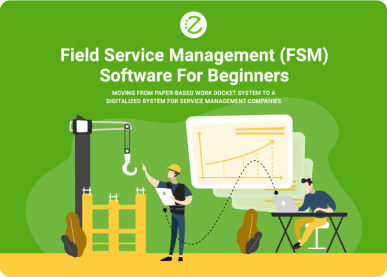
Going from Paperwork to Digitalisation
Get news on our latest products and ongoing updates.
EZ Management Software
Clients & Partners who trust EZ Management














Subscribe To Our Newsletter
Get news on our latest products and ongoing updates.